
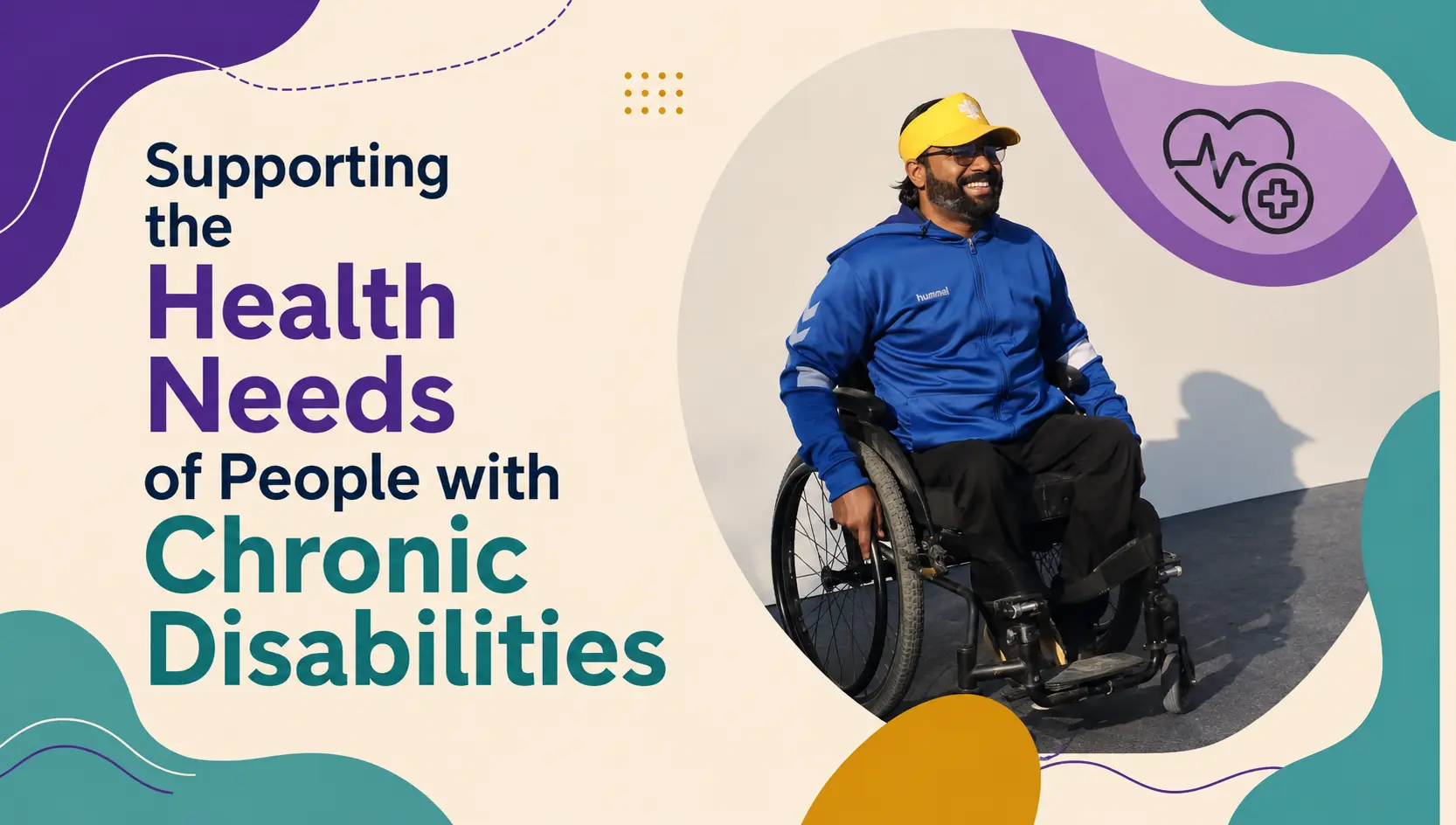
Health is about more than treatment. It’s about access, dignity, and whether care actually shows up when you need it. For people living with long-term conditions, everyday healthcare often feels less like a system and more like a maze you have to figure out alone. Delayed diagnoses. Inaccessible clinics. These gaps are real, and they shape lives in ways most people never see.
Meeting the health needs of differently abled individuals isn’t a side topic in healthcare. It’s the main one. When systems don’t evolve, people end up managing their conditions and the barriers around them. That’s exactly where structured support, inclusive thinking, and a dedicated health care NGO make all the difference.
This blog breaks down why the gap still exists, what closing it takes, and why organisations like Almawakening Foundation are driving real change.
Understanding Chronic Conditions and Health Needs of Differently Abled Individuals
One distinction matters here: a chronic condition isn’t the same as being differently abled, though the two often overlap. Diabetes, cardiovascular disease, respiratory illness, epilepsy, and autoimmune disorders — all of these show up at notably higher rates among differently abled individuals than in the general population.
Why? A few reasons, and they feed into each other:
Preventive care is often out of reach, so conditions that could’ve been caught early go undetected for years.
Physical barriers at clinics and hospitals get in the way of regular check-ups.
Communication gaps between healthcare providers and patients with sensory or cognitive differences raise the risk of missed symptoms and misdiagnosis.
Money is tight. Many differently abled individuals end up choosing between medication and basic necessities.
The health needs of this community aren’t rare or unusually complex. They are the same needs everyone has, just made much harder to meet by a system that was never built with them in mind.
The Health Challenges Faced by Differently Abled People
Look closely, and the challenges split into two buckets: the medical and the systemic.
On the medical side, differently abled individuals living with chronic disease often deal with overlapping complications. A person managing cerebral palsy alongside diabetes runs into compounded risks that need coordinated, multidisciplinary care. In most parts of India, though, coordinated care is still a privilege. Not a given.
At the systemic level, the barriers are no less pressing:
Infrastructure failures: Fewer than 20% of primary health centres in India are fully accessible for people with mobility challenges.
- Workforce gaps: Most healthcare professionals lack proper training in caring for differently abled patients.
- Diagnostic blind spots: Chronic symptoms get chalked up to the person’s existing condition instead of being examined as separate health issues.
- Mental health neglect: The psychological weight of living with chronic conditions and physical barriers rarely gets acknowledged in clinical settings.
The result? A cycle where differently abled individuals reach healthcare later, get fragmented care, and see worse outcomes. Not because they’re harder to treat, but because the system isn’t built to serve them properly.
Role of Health Care NGOs
This is where a committed health care NGO becomes essential. Where government infrastructure falls short, community-driven organisations fill the void with targeted, people-first work.
Across India, NGOs working with differently abled communities are bringing healthcare closer through the following:
- Mobile health camps offering screenings and essential care in underserved areas.
- Assistive technology distribution that boosts independence and access to medical facilities.
- Caregiver training programs that help families manage chronic conditions at home with confidence.
- Awareness campaigns that push back against stigma and encourage differently abled individuals to seek care without hesitation.
- Policy advocacy that pushes for accessibility mandates in hospitals and clinics.
For anyone searching for an NGO for differently abled individuals or an NGO near me focused on health, these organisations form the backbone of inclusive healthcare.
Building Inclusive Healthcare Systems
Inclusion in healthcare is not about special treatment. It’s about taking down the barriers nobody should have had to deal with in the first place, the ones sitting between a patient and their care.
What does that look like on the ground?
| Traditional Healthcare Setup | Inclusive Healthcare Setup |
| Standard-height examination tables | Adjustable, wheelchair-accessible exam tables |
| Printed forms only | Digital, audio, and Braille-ready intake forms |
| No sign language support | Trained interpreters available on-site or via video |
| Rigid appointment systems | Flexible scheduling with longer consultation windows |
| Generic health education materials | Tailored resources for varied learning and communication needs |
None of this is cheap. Fair point. But money isn’t the only thing missing — intent is. Hospitals have to run accessibility audits. Medical colleges have to teach inclusive care, not tack it on as an elective. And somewhere along the way, policymakers need to stop treating accessible health as a nice-to-have and start treating it like what it actually is: a right.
Raising Awareness and Advocacy for Chronic Condition Healthcare
Awareness does what policy alone can’t. Once communities get that differently abled individuals face compounded health care needs, mindsets shift. And when mindsets shift, action follows.
Effective advocacy in this space looks like:
- Training community health workers to spot chronic conditions early among differently abled populations.
- Running public campaigns that normalise differently abled individuals accessing healthcare independently.
- Partnering with schools and workplaces to weave health literacy into education and skills training.
- Strengthening the voices of differently abled individuals in health policy conversations.
Across 10 states and with more than 15,000 individuals, Almawakening Foundation has been building the kind of systemic shift that doesn’t lose momentum after one campaign cycle.
Building a Supportive and Inclusive Healthcare Future
An inclusive healthcare future doesn’t come from one organisation or one government policy. It comes from all of us refusing to treat health access for differently abled individuals as somebody else’s problem.
Every accessible ramp at a hospital entrance matters. Every trained nurse who knows how to communicate with a differently abled patient matters. Every family that learns to manage a chronic condition with dignity and real support matters.
At Almawakening Foundation, we firmly believe inclusive health care is the foundation of inclusive living. Through our ENABLE and ELEVATE initiatives, we’re working to bridge health, inclusion, and empowerment because no one should ever have to fight for the basics.
Contact us today to schedule a consultation or request a custom quote. Almawakening Foundation is here to walk that path alongside you.