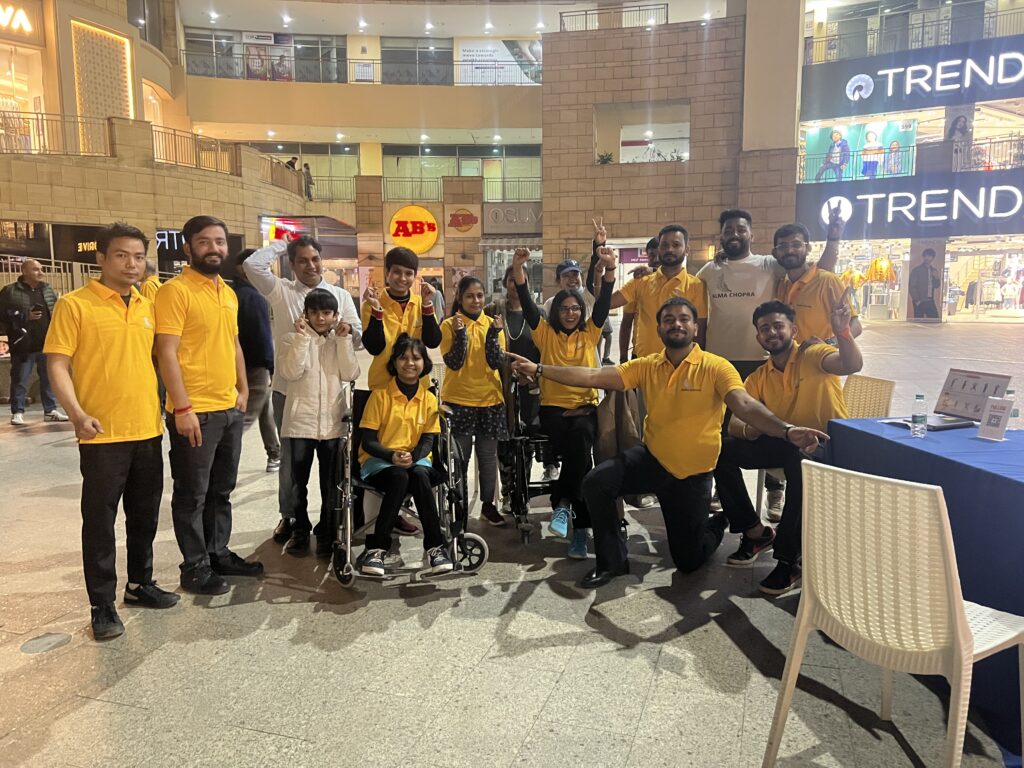
Life as a differently abled person rewrites the rulebook on everyday living—something most people never have to think twice about. Basic routines take more planning. Social moments feel heavier. And too often, people push through these challenges in silence, without anyone who truly understands. This is where support groups make their mark—not as a cure for being differently abled, but as a bold stand against isolation, misconception, and being unheard.
A support group is never just a meeting on a calendar. For differently abled individuals, it’s a refuge—a space where real experiences are met with understanding, where every voice matters, and where growth becomes something you don’t have to chase alone. Get the structure right, infuse it with empathy and purpose, and you create something capable of transforming lives for good.
Understanding the Role of Support Groups
Support groups for the differently abled exist for a powerful reason—to unite people who share real, lived experiences. Some are peer-led, while others are professionally facilitated or community-driven. Support groups give differently abled individuals something the medical system rarely can—a true sense of emotional belonging. When you are in a space, online or in person, with people who genuinely understand your reality, that isolation you’ve been carrying starts to lift almost right away.
Strong support groups for differently abled individuals share a few core traits that make all the difference:
- A safe, open environment where sharing feels natural—not forced
- Genuine emotional support built on listening and understanding
- Real-world guidance from those who’ve walked similar paths
- Ready access to resources, advocacy tools, and community-based services
Something powerful happens along the way; those who once reached out for support start reaching back to lift others. That’s where real resilience takes root. Not from a lecture, but from watching someone who’s been there do it first.
Breaking Social Barriers
Social isolation is a brutal reality for many differently abled individuals, and often, it’s the hardest challenge they navigate. Between lingering stigma, deep-rooted misconceptions, and environments that simply are not accessible, people get pushed to society’s edges. Support groups take that head-on.
When differently abled individuals come together in support groups, something shifts. Social barriers start crumbling from within. These spaces spark honest conversations about identity, accessibility, relationships, work, and independence. The very topics most of the world tends to ignore or gloss over.
Within these groups, participants can:
- Speak freely without the weight of judgment hanging over them.
- Form genuine friendships built on real understanding—not pity.
- Rebuild the confidence that social situations may have chipped away.
- Be recognised as complete individuals, not reduced to being differently abled.
These groups sit at the heart of awareness campaigns for the differently abled, with members stepping up as the strongest advocates for change in their communities. Their genuine stories and personal experiences hit harder than any professionally crafted message ever will. Over time, this shared confidence fuels broader awareness efforts, pushing society beyond passive acceptance toward genuine, active inclusion.
Building Skills and Confidence
Support groups go well beyond emotional comfort. They’re spaces where people actually grow, building skills, finding their voice, and becoming more independent. The learning happens naturally, through shared experiences and mutual encouragement. What makes this peer-to-peer approach so effective? Simple. The people doing the teaching genuinely understand where the learners are starting from. They’ve been there themselves.
Many support groups for differently abled individuals zero in on real-world life skills, including:
- Communicating what you need clearly and without hesitation.
- Working through the maze of education, employment, or healthcare.
- Keeping stress, anxiety, and burnout in check.
- Sharpening leadership and advocacy abilities.
What gives this learning its edge is how deeply relatable it is. The insights come straight from people who’ve tackled similar obstacles, made adjustments in the moment, and discovered what genuinely works in daily life. Peer-driven learning like this tends to feel far more approachable—and far more empowering—than formal instruction.
With growing confidence comes a powerful shift in perspective. Participants quit living by other people’s standards and begin charting their own course. Their goals finally start to look like them—rooted in personal values, real strengths, and ambitions that actually matter.
Learning and Empowerment
When you know your rights, you hold the reins. Support groups exist to help people get clear on their rights, uncover new possibilities, and take hold of opportunities they might otherwise miss. From hands-on workshops to honest discussions and practical resources, these spaces turn uncertainty into informed action.
Support groups for the differently abled focus on real, practical learning:
- Your rights and the accessibility laws that back them up
- Assistive technologies and adaptive tools that actually work
- Financial resources, education options, and employment programs worth knowing
- Mental health and emotional well-being—because it matters
Knowledge like this goes far beyond information. It lights a fire. It pushes individuals to advocate fiercely—for themselves and for those around them. Time and again, participants transform into mentors, community pillars, and outspoken advocates for the differently abled, channelling what they’ve learned into influence that reaches far beyond where they started.
Empowerment changes the internal narrative. People stop buying into the restrictions the world places on them and begin owning their capabilities. They come to understand that seeking help isn’t defeat—it’s a smart, intentional path to growth.
Conclusion: Together, We Can Break Every Barrier
Support groups don’t transform lives by changing someone’s differently-abled experience. They transform lives by stripping away isolation, fear, and silence. Uncertainty gives way to connection. Self-doubt makes room for confidence. Exclusion fades into belonging. For differently abled individuals, these spaces become bedrock—for growth, for advocacy, for lasting community.
Alma Awakening holds a straightforward yet powerful belief: true transformation takes root when people are supported, understood, and empowered together. Inclusive programs, genuine community engagement, and awareness campaigns for the differently abled turn real change from a hope into a reality.
Ready to be part of this transformative movement? Contact us today at Almawakening Foundation to learn about our support group initiatives, volunteer opportunities, or to request a custom program for your community. Let’s break barriers together—because inclusion isn’t just a goal, it’s our shared responsibility.