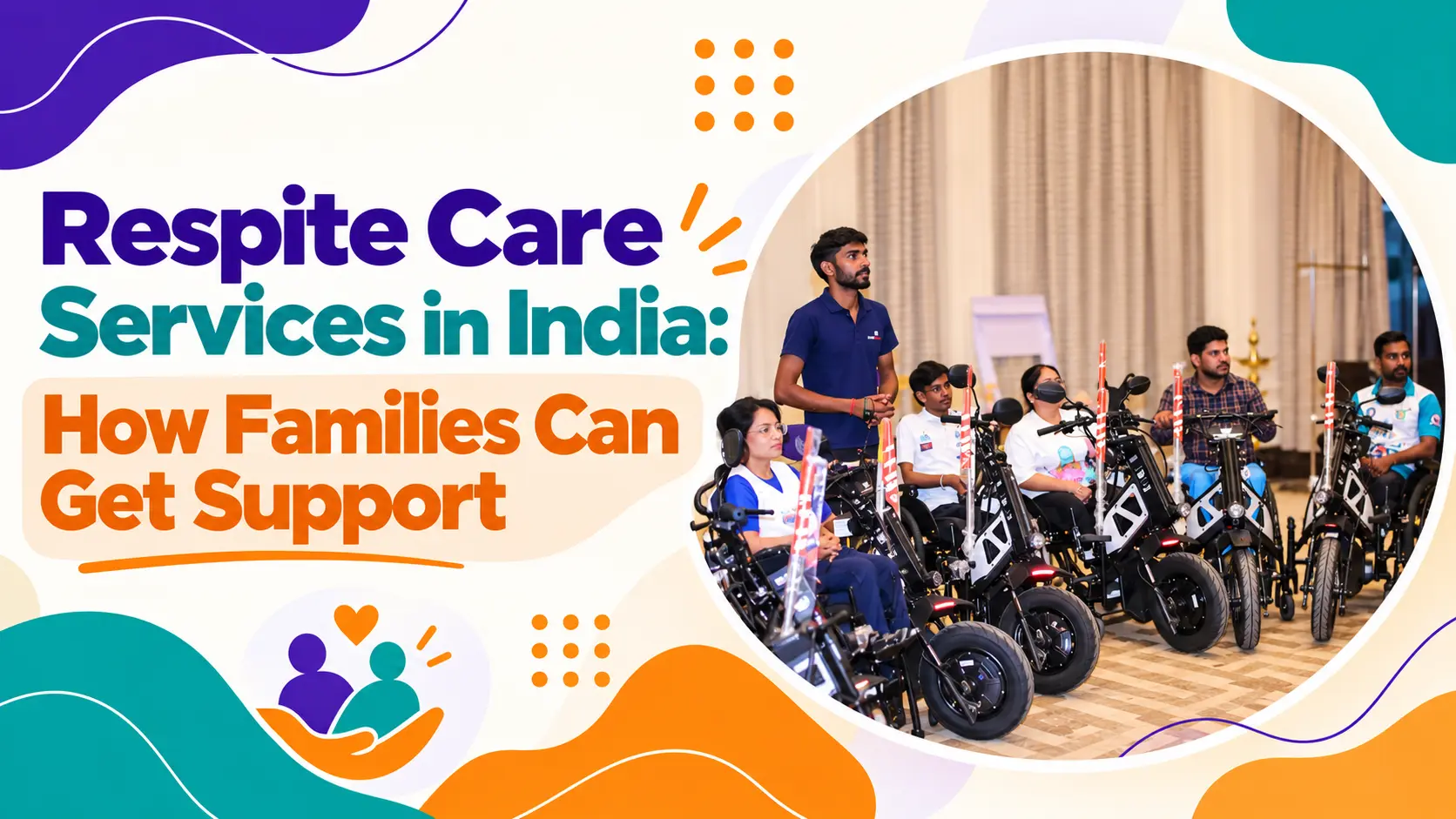
Respite Care Services in India: How Families Can Get Support
Caregivers across India ask the same question: where do I find respite care services? The honest answer is that support
Caregivers across India ask the same question: where do I find respite care services? The honest answer is that support
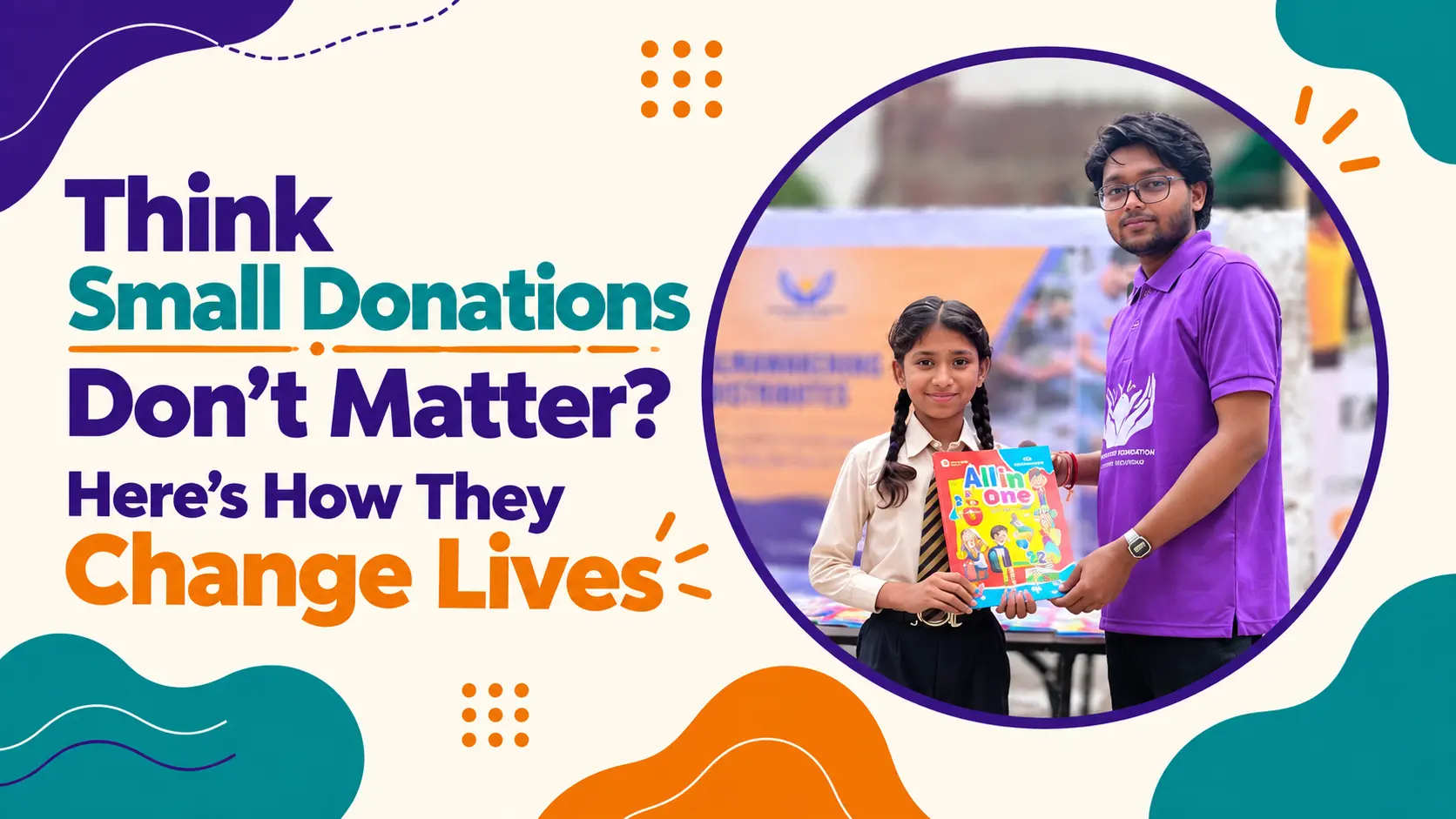
Think about the last coffee you bought without a second thought. At Almawakening Foundation, we watch amounts that size do
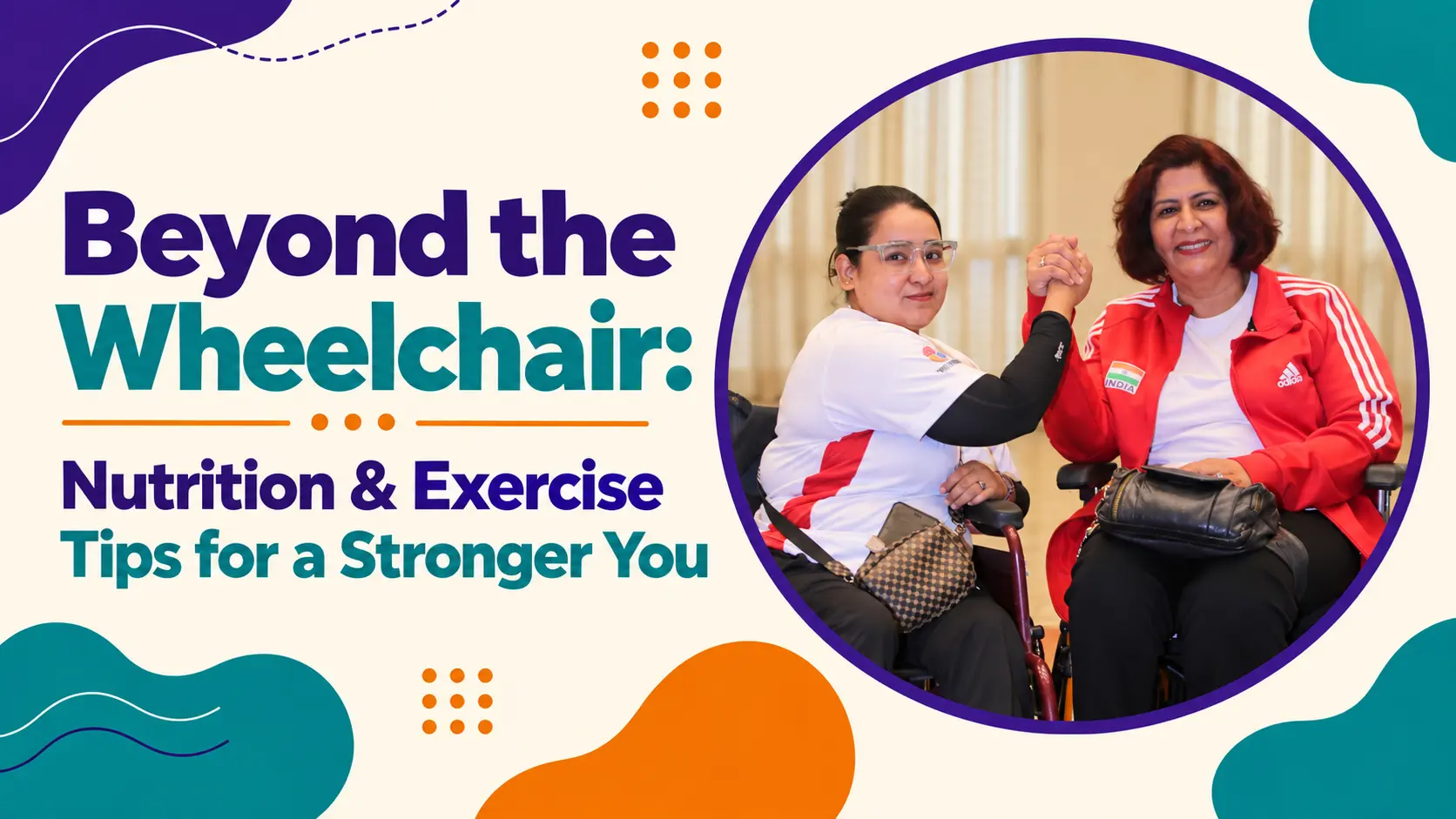
This article is general information, not medical advice. Before changing your diet or starting any exercise routine, speak to a
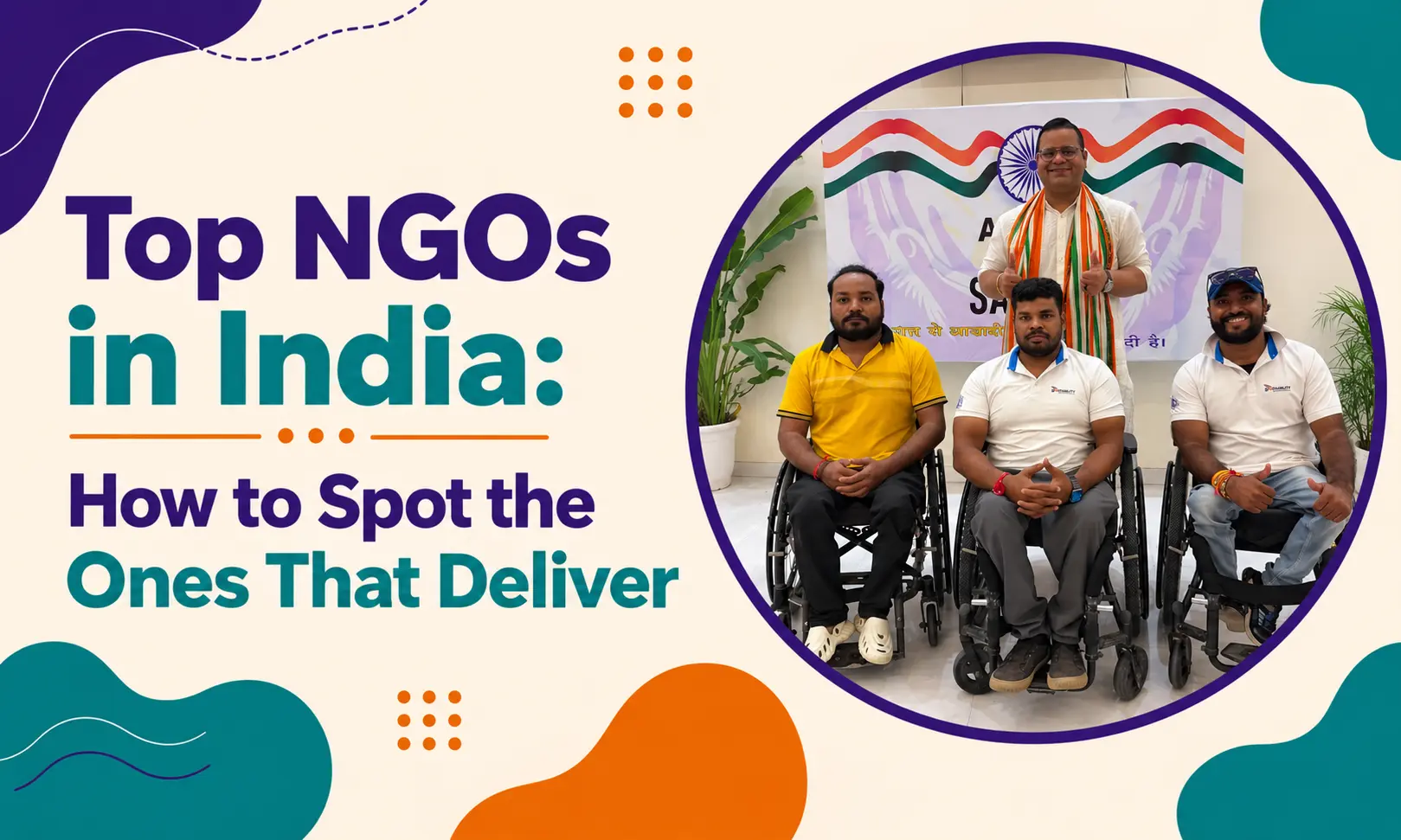
You want to give, and you want it to count. Then you start searching, and the scale of the problem
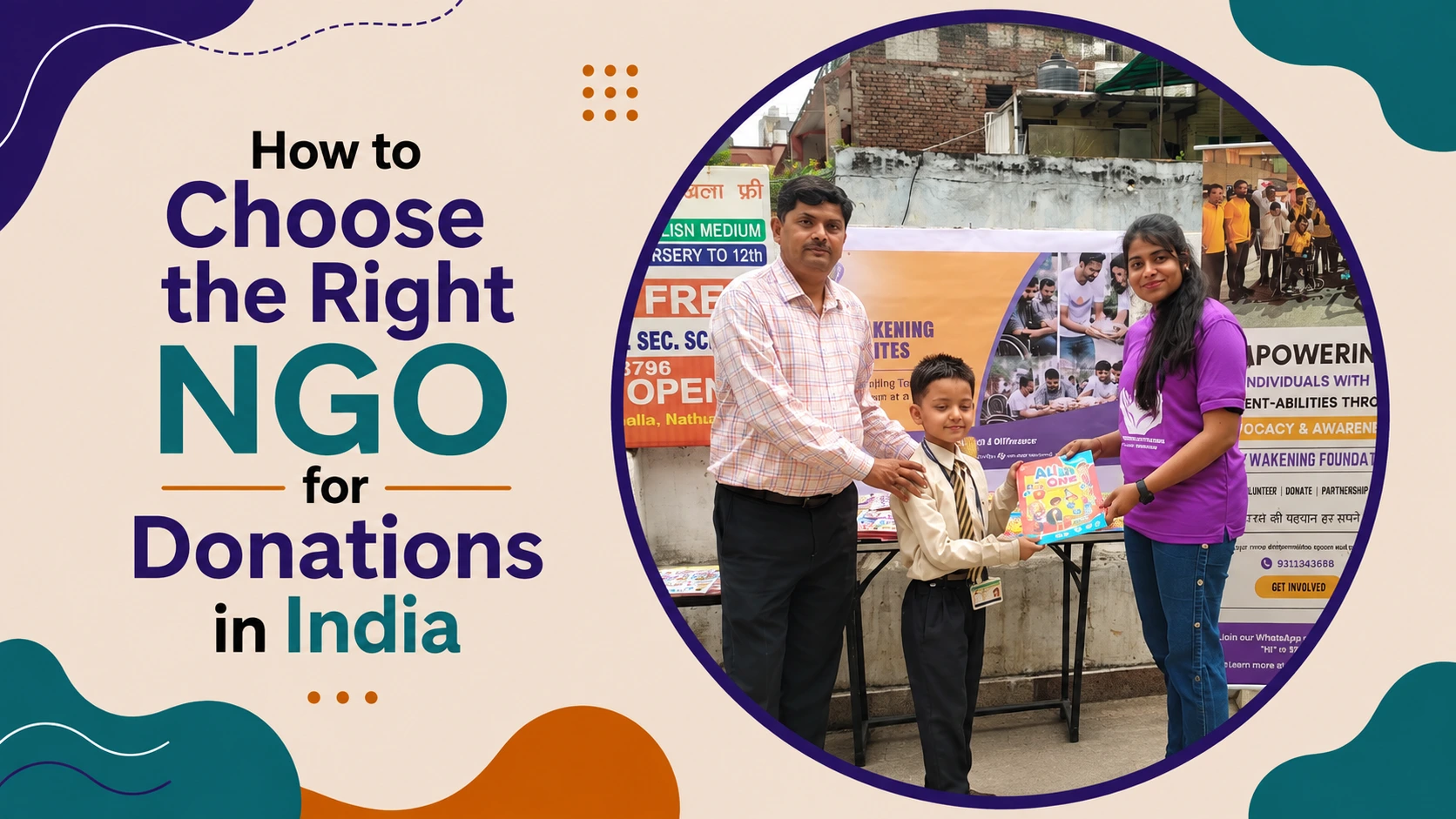
Your donation can pay for a child’s school year or disappear into an organisation’s overheads. The difference is not luck.
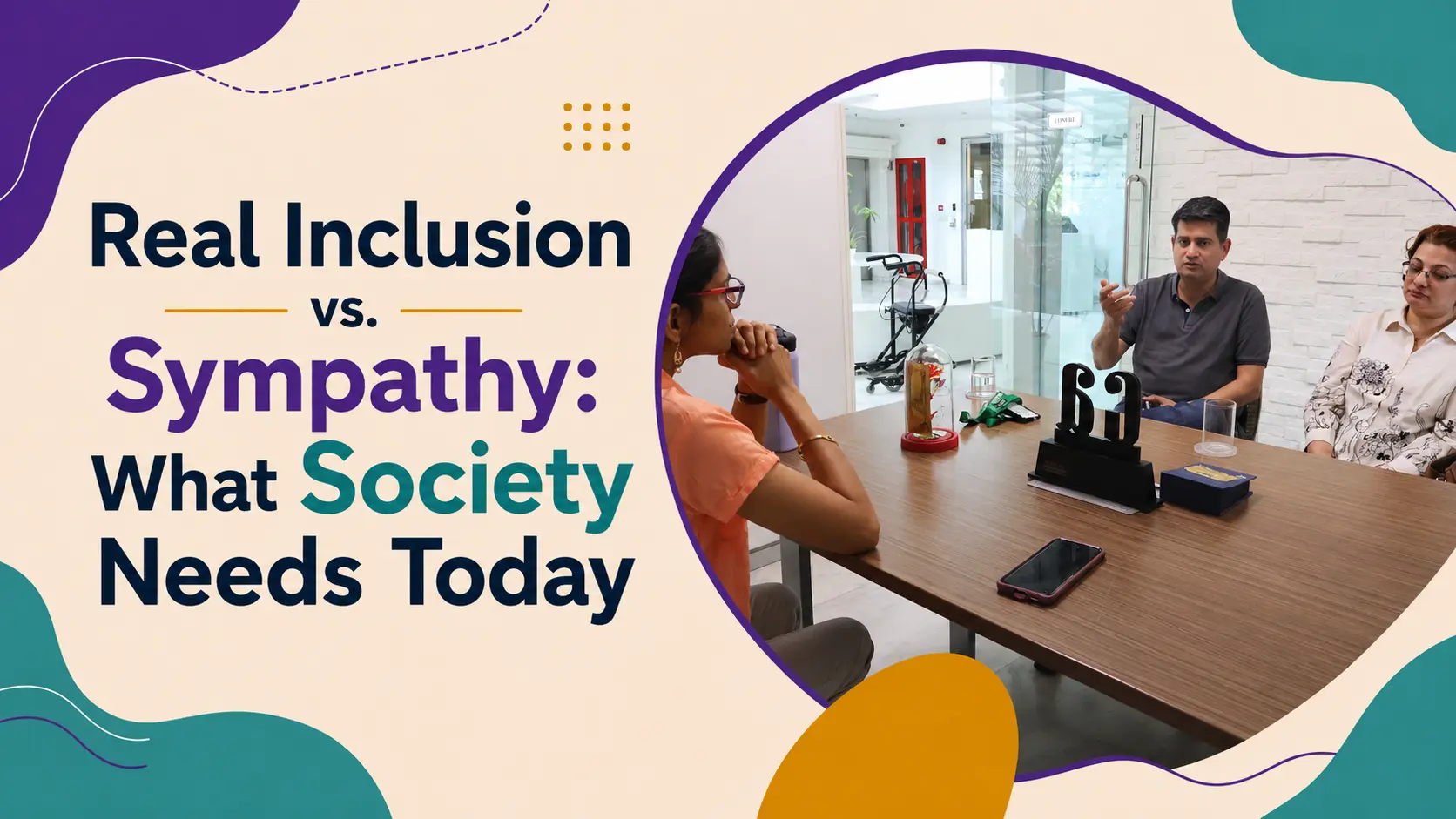
Here is a question worth sitting with. When you see someone struggle at a doorway, what do you actually do?

You type three words into your phone, “NGO near me“, and up comes a list. Names, ratings, and a few
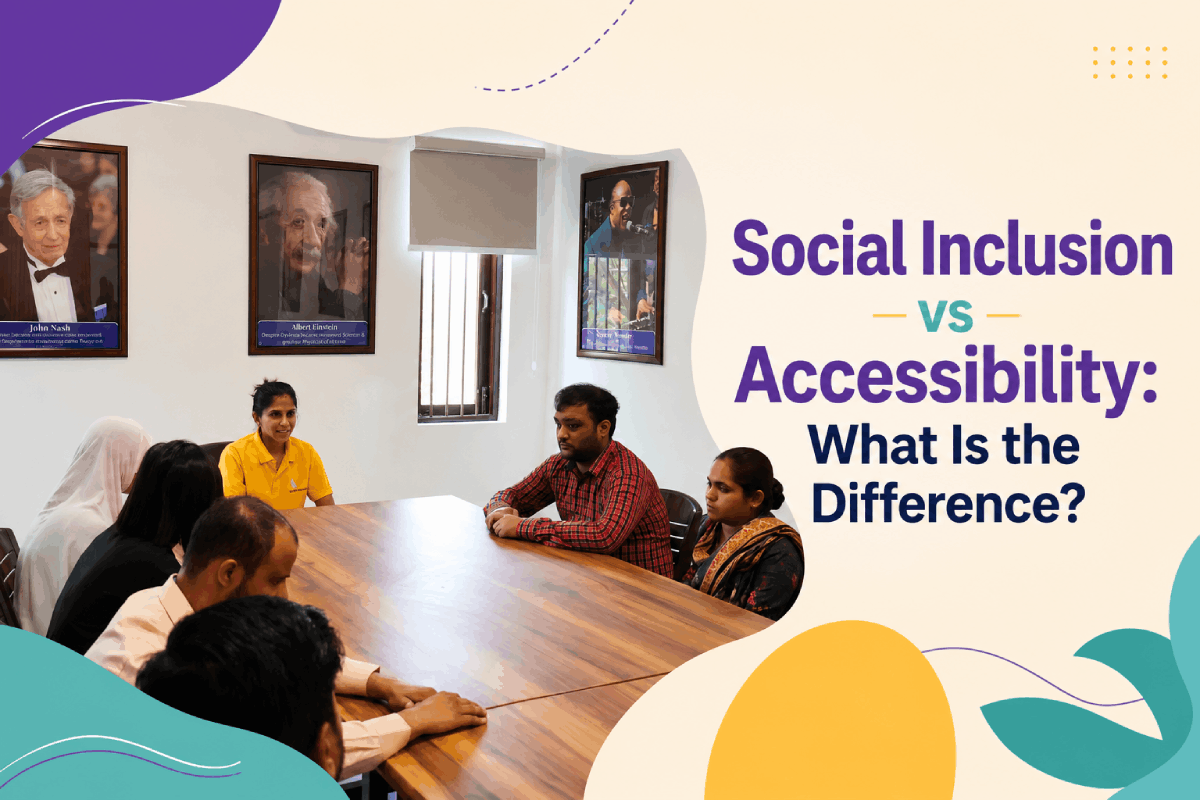
A ramp can help someone get into a building. But does it help them feel welcomed in the room itself?

Some festivals entertain. A few of them inspire. Yet a festival with real meaning changes how people view each other.
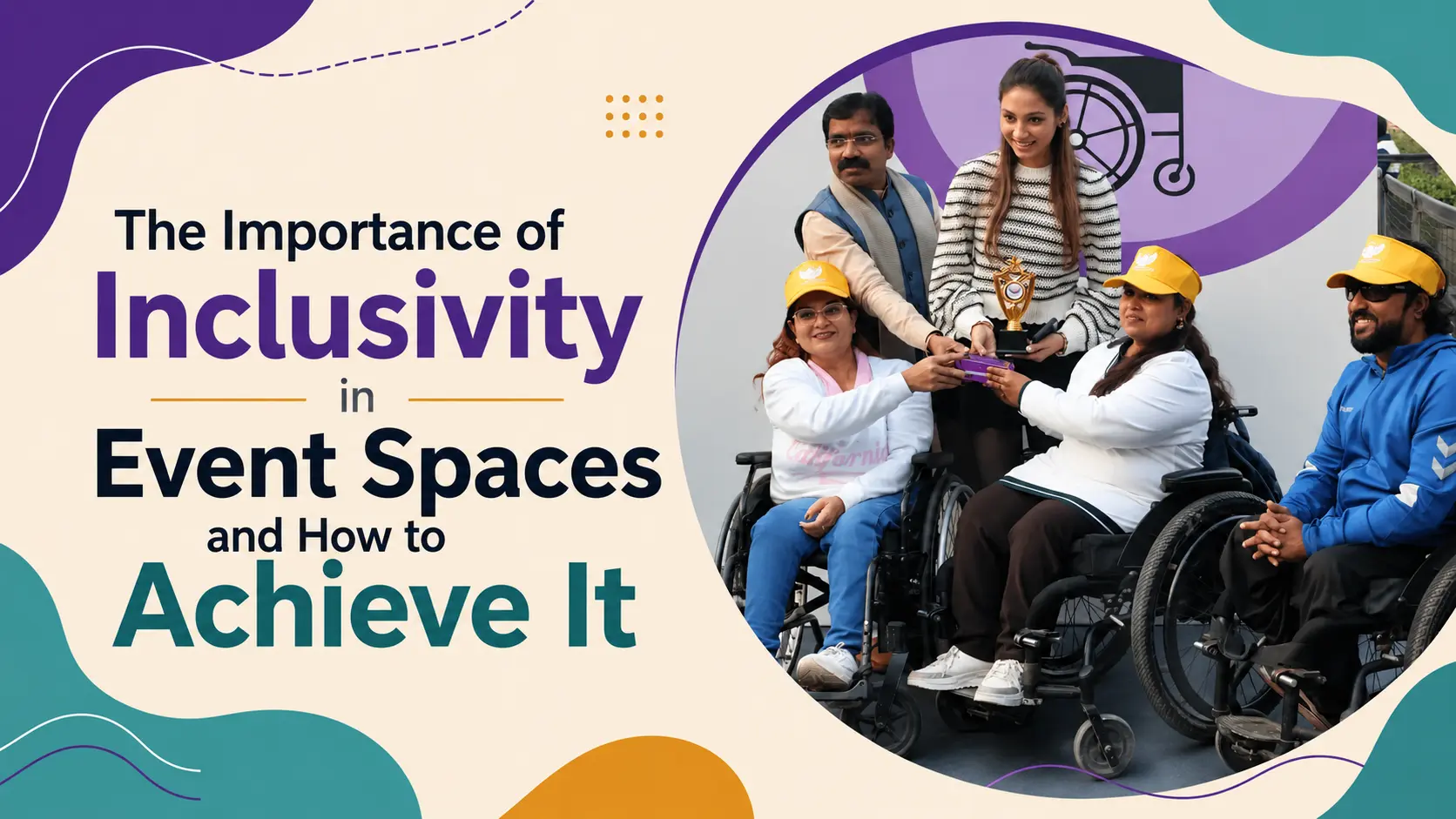
Think about the last event you went to. A conference. A wedding. A community gathering. Now ask yourself something uncomfortable:
Caregivers across India ask the same question: where do I find respite care services? The honest answer is that support exists, but it is scattered across family networks, volunteer groups, NGOs, and private providers. There is no single respite care scheme to tie it together, although helplines like Elderline (14567) can point you in the right direction. That gap says nothing about you. It is a gap in the system, and many families fall through it. The National Institute on Ageing describes respite care as short-term relief for primary caregivers, giving them time to rest, travel, or spend time with
Think about the last coffee you bought without a second thought. At Almawakening Foundation, we watch amounts that size do remarkable things, because we see small donations impact real lives every single week. A modest gift is not a drop in the bucket. Pooled with thousands of others, it is the bucket. What Counts as a Small Donation? A small donation is any amount that feels manageable to you, whether that is ₹50, ₹500 or ₹5,000. The size of the gift matters far less than its consistency, because this works like crowdfunding: when thousands of people give a little, the
This article is general information, not medical advice. Before changing your diet or starting any exercise routine, speak to a doctor, physiotherapist, or dietitian who understands mobility differences. Most health advice online assumes a body that stands, walks, and burns energy the same way as everyone else. If you use a wheelchair, you have probably noticed how quickly that advice stops being useful. Wheelchair fitness in India runs into a second problem on top of that one. Gyms are rarely accessible, qualified guidance is thin, and nutrition advice almost never accounts for how a seated body actually works. This guide
You want to give, and you want it to count. Then you start searching, and the scale of the problem becomes obvious. India has millions of registered non-profits, and there is no obvious way to tell which ones turn your money into outcomes and which ones simply mean well. Here is the honest truth about finding the top NGOs in India: there is no official register of the best NGO in any category, and anyone who publishes a ranking is usually on it. What exists instead is a set of signals that separate serious organisations from well-intentioned ones. Learn those,
Your donation can pay for a child’s school year or disappear into an organisation’s overheads. The difference is not luck. It comes down to how carefully you choose an NGO for donations before you give. India has millions of registered non-profits. Many do genuinely valuable work. Others lack proper governance, publish nothing, and cannot tell you what your money achieved. This guide sets out seven checks that separate the two, so your generosity lands where it counts. Why Your Choice Carries Weight Every rupee has the power to change something, but only when it reaches the right hands. An organisation
Here is a question worth sitting with. When you see someone struggle at a doorway, what do you actually do? Most of us feel something, a flicker of concern, a soft “that must be hard.” Then we move on, and the doorway stays exactly as narrow as it was. That gap between feeling and doing is the heart of real inclusion vs sympathy, the distinction this piece is all about. Sympathy, however well-meant, often reinforces the very barriers it notices, because it stops at pity. Real inclusion does the harder, better thing: it removes the obstacle so the next person
You type three words into your phone, “NGO near me“, and up comes a list. Names, ratings, and a few photographs of smiling faces. But which among them actually changes anything on your street? That is the harder question and the one worth asking. An NGO is only as powerful as its proximity. The organisation working two kilometres away can knock on the door by this afternoon. A distant one simply cannot. So before you scroll past those search results, it is worth understanding what a local NGO truly does, how to find one you can trust, and why the
A ramp can help someone get into a building. But does it help them feel welcomed in the room itself? A website can be straightforward to use. But does it make space for the voice and leadership of a differently abled person? That is the gap between accessibility and social inclusion. Accessibility opens the door. Social inclusion asks what comes once that door has opened. Are differently abled individuals respected, heard, employed, represented, and treated as contributors? Across the world, 1 in 6 people live with significant functional limitations, so this remains a mainstream human issue. For marginalised communities and
Some festivals entertain. A few of them inspire. Yet a festival with real meaning changes how people view each other. Sangaam is not simply another event filled with music, food, activities, and performances. It is a space built on a sharper question: what unfolds when everyone joins in, not as a guest off to the side, but as an equal part of the celebration? That is what sets Sangaam apart. Seen through the wider vision of Almawakening Foundation, one rooted in inclusion, accessibility, dignity, and collective participation, Sangaam turns celebration into social impact. Almawakening works to create spaces where differently
Think about the last event you went to. A conference. A wedding. A community gathering. Now ask yourself something uncomfortable: could every person in your city have walked in and actually taken part? Not just got through the door, but felt genuinely welcomed and comfortable, like they belonged. For millions of differently abled individuals across India, the honest answer is no. And this is not some small oversight either. It is a failure of imagination, of planning, of basic empathy. The truth is, most event spaces in this country were designed with one kind of person in mind. Everyone else?