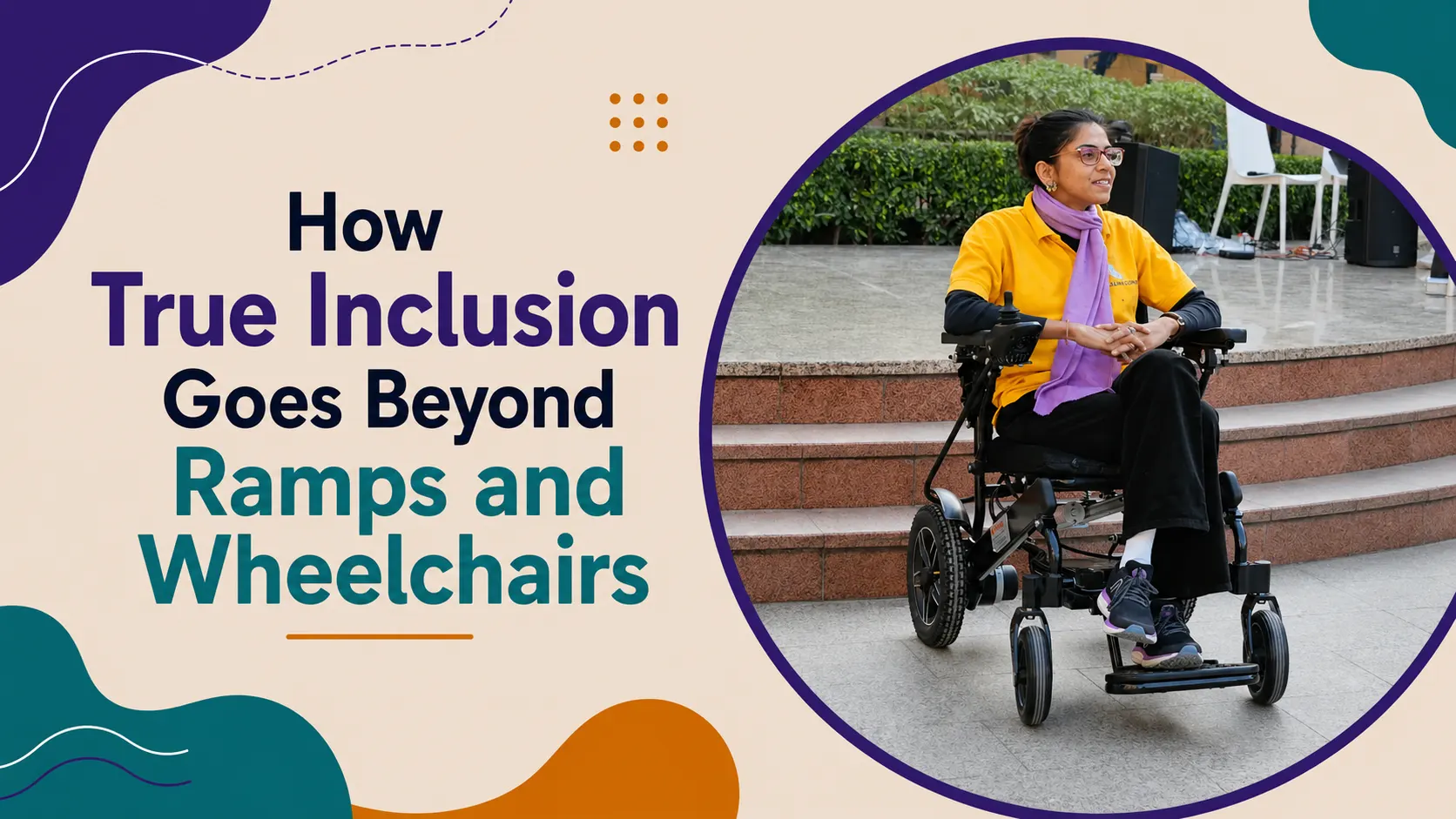
How true inclusion goes beyond ramps and wheelchairs
Ramps get built. Elevators get installed. Checklists get signed off. And yet, far too many differently abled individuals still walk
Ramps get built. Elevators get installed. Checklists get signed off. And yet, far too many differently abled individuals still walk
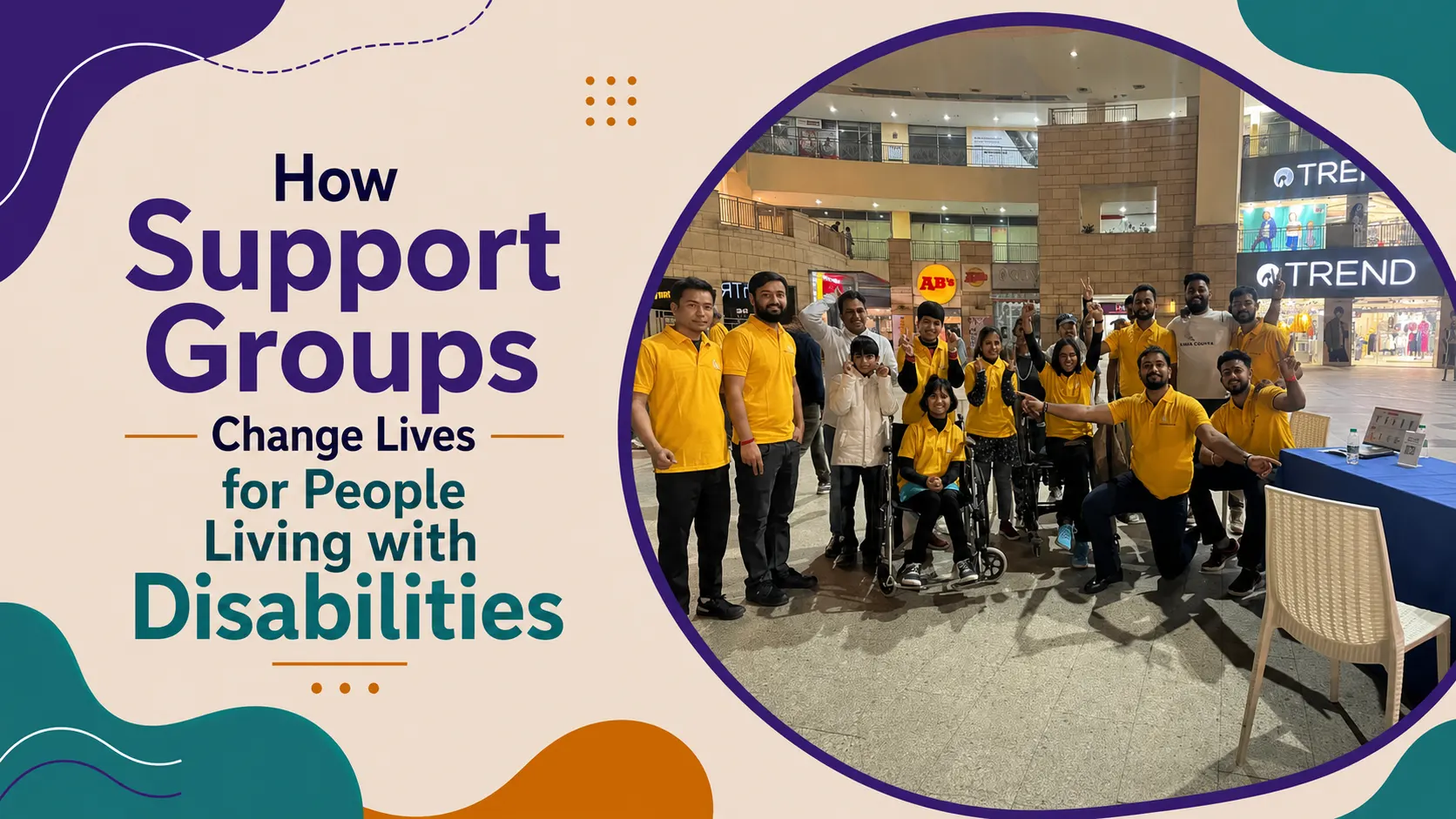
Life as a differently abled person rewrites the rulebook on everyday living—something most people never have to think twice about.
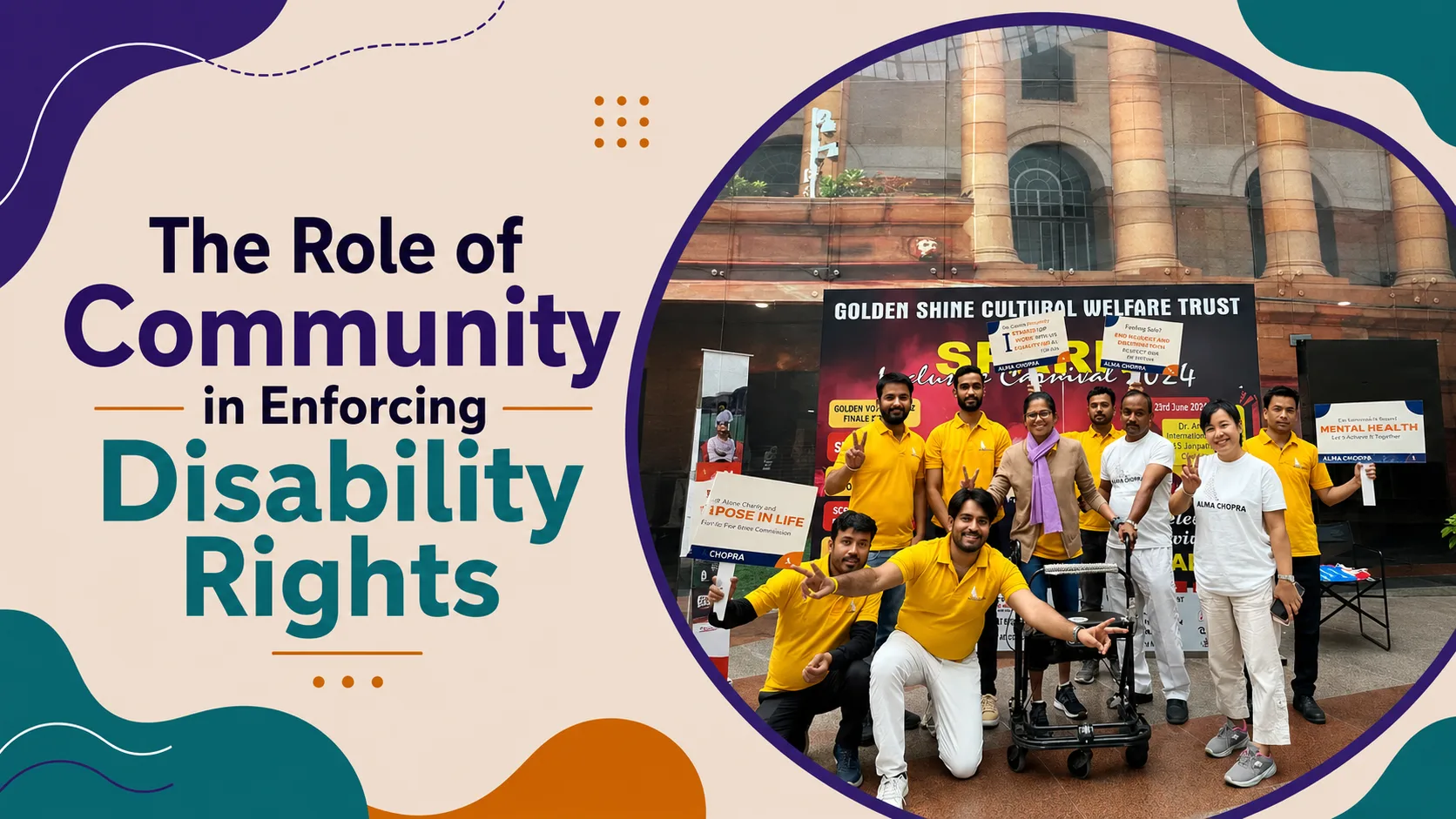
Disability rights have given us a legal framework that protects against discrimination and mandates accessibility. These courtroom victories matter. They’ve
Ramps get built. Elevators get installed. Checklists get signed off. And yet, far too many differently abled individuals still walk into spaces where they don’t truly feel welcome. Because inclusion was never just about access. True inclusion is about whether people feel seen instead of stared at, supported instead of singled out, and valued instead of merely accommodated. It’s about emotional accessibility—the quiet, often invisible layer of inclusion that determines whether someone belongs or simply exists on the margins. When inclusion stops at infrastructure, stigma remains. Mindsets stay unchanged. And opportunities, though technically available, remain out of reach. This is
Life as a differently abled person rewrites the rulebook on everyday living—something most people never have to think twice about. Basic routines take more planning. Social moments feel heavier. And too often, people push through these challenges in silence, without anyone who truly understands. This is where support groups make their mark—not as a cure for being differently abled, but as a bold stand against isolation, misconception, and being unheard. A support group is never just a meeting on a calendar. For differently abled individuals, it’s a refuge—a space where real experiences are met with understanding, where every voice matters,
Disability rights have given us a legal framework that protects against discrimination and mandates accessibility. These courtroom victories matter. They’ve changed lives. But here’s what I’ve come to understand—laws can only take us so far. The real transformation doesn’t happen in legal chambers or through judicial rules. The inclusion begins when communities decide that inclusion isn’t just a law but something worth building together. Think about the difference. What makes a disabled person feel genuinely welcome when they enter that building? That takes people—neighbours, coworkers, local business owners—who see accessibility not as an obligation but as an investment in their